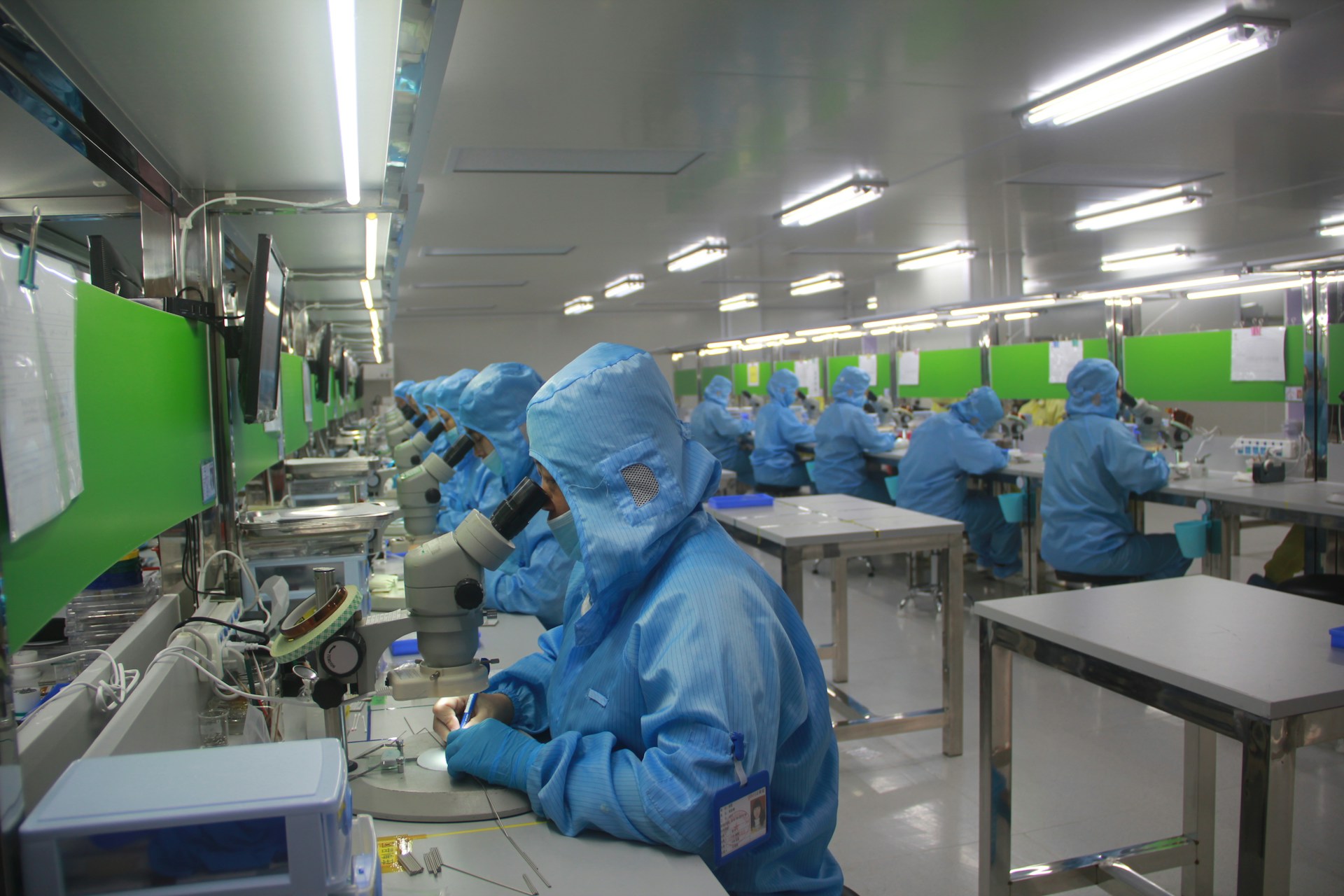

Pharmaceutical quality inspection is one of those processes where even the smallest mistake can lead to huge losses in revenue and reputation. A tiny surface defect on a pill can trigger rework, waste, batch delays, or a quality escalation that should have been avoided earlier.
Manual inspection helps, but it is hard to keep speed, consistency, and accuracy aligned across long production runs.
DynaTech's Pharmaceutical Quality Inspection system is designed to fill this exact gap. It uses AI-powered visual inspection to detect surface defects in pills, track quality trends, and surface the signals that matter to production and quality teams. Our pharmaceutical quality inspection solution is not meant to replace quality judgment, but we aim to give your team a faster, more reliable inspection layer that supports better decisions on the line.
What Makes the Computer Vision Pipeline Different from Built-in Copilot?
A built-in Copilot is widely used in all kinds of environments to get answers, create summaries, and find information, but it cannot execute tasks and cannot help with quality inspection of pharmaceuticals and pills.
Pharmaceutical inspection needs a defined process which requires;
- Capturing the image
- Assessing the object
- Comparing it to expected patterns
- Flagging anomalies
- Logging the result for review
A general assistant like Copilot does not come with that operational structure. On the other hand, DynaTech's pipeline solution is purpose-built for inspection work where
- Copilot Studio provides the user-facing workflow inside Microsoft Teams
- Azure OpenAI supports the language and reasoning layer
- Azure AI Foundry helps govern orchestration and evaluation.
The visual inspection itself is executed through the configured vision stack, not through chat alone.
Key Capabilities of Pharmaceutical Quality Inspection System
1. Real-time Defect Detection
The pharmaceutical quality control system inspects pill images or video frames right on the assembly line as the finished product moves towards packaging and flags visible surface defects early. That creates a tighter loop between manufacturing and quality, so issues do not keep moving downstream unnoticed.
2. Quality analytics
Inspection results are logged and organized so quality teams can review trends by batch, shift, machine, or production line, allowing them to create respective reports for each parameter instead of recording isolated defect events. The pharmaceutical quality control gives your teams a clearer picture of where quality is drifting.
3. Yield optimization
When defects are detected sooner, only high-quality pills are sent to the next stage, and defective pills are taken out of the batch, ensuring no low-quality product advances to packaging. That means better yield discipline, less waste, and fewer preventable interruptions.
4. Root-cause analysis
Our vision inspection system for pharmaceuticals also detects patterns and trends by scanning the pills and other pharma products. If defects cluster on a specific line, at a certain time, or after a certain equipment change, it helps teams see those signals faster.
DynaTech Pharmaceutical Quality Inspection System
The Problem It Solves
Pharmaceutical inspection teams are under pressure from the production department as they want speed, and from the quality control team as they want product certainty.
To satisfy both with manual visual checks means carrying a high-pressure environment and an extensive burden, which is the perfect recipe for gaps.
A fatigued inspector can miss subtle defects, or a busy line can outrun the review process, and if that's not all, a quality issue can remain invisible until it shows up in rework, scrap, or a batch hold. DynaTech's AI solution addresses that gap by adding a consistent, AI-assisted inspection layer that works at production pace.
What the AI Computer Vision Pipeline Actually Does?
DynaTech agentic AI in pharmaceutical manufacturing, once connected to the inspection flow, will;
- Evaluate pill images against the configured defect logic and flag anomalies for review.
- Log inspection outcomes into accessible records.
- Organize the data by production context, and surface trends for the quality team.
Our solution also supports exception handling, which means the right people are alerted when a pattern starts to repeat. The result is not just faster checking but a more controlled inspection process with clearer visibility.
Agentic AI Visual Inspection Pharma Use Cases
Scenario 1 - Determine and Flag Trends
A line operator notices that output from a tablet press looks slightly inconsistent and may wait to check pills with similar defects before reporting. Instead of waiting for the issue to show up in a later audit, the solution flags the defect trend earlier and highlights the batch context so that quality inspection is done while the problem is still manageable.
Scenario 2 - Identify Root Cause of Issue
A QA lead reviews a morning run and sees that most defects are concentrated on one machine after a specific changeover. The AI computer vision pipeline detects this and does not flag it as a random defect count but treats it as a signal that something in the process deserves attention.
Scenario 3 - Inspection Results and Reporting
A plant manager compares inspection results across shifts and sees that one shift is producing a higher defect rate. It does not make a judgment for them but provides evidence needed to investigate staffing, setup, equipment behavior, or environmental conditions.
Operational Impact of Pharma Visual Inspection AI Solution
| Business Challenge | Operational Impact |
| Manual inspection cannot keep up with production speed | AI-assisted visual inspection flags defects in real time, leading to faster and more accurate review and fewer missed anomalies. |
| Quality data is scattered across batches, shifts, and lines on the workfloor | Inspection outputs are captured in a structured way that gives better visibility into recurring defect patterns and identifies the underlying cause of all issues. |
| Root-cause work starts too late, mostly in audit reporting and monthly quality controls | Trend analysis highlights repeated defect signals early in the manufacturing and packaging process, leading to faster investigation and less trial-and-error. |
| Yield loss is noticed after the damage is done, sometimes leading to an entire batch being discarded | Early defect detection supports tighter quality control, and this leads to lower waste, less rework, and better batch discipline. |
How the Pharmaceutical Quality Inspection Pipeline Works Technically?
DynaTech AI-based visual inspection and pill defect detection solution uses a layered Microsoft architecture, and the entire workflow is layered inside Microsoft Teams.
- Copilot Studio manages the user interaction.
- Azure OpenAI supports the reasoning and language layer
- Azure AI Foundry helps orchestrate and evaluate the workflow
- Vision Stack manages the inspection pipeline along with using tools like;
- Azure AI Vision
- Azure Machine Learning
- YOLO-based detection,
- Azure IoT handles the connected pharmaceutical production environments
- Power BI can present inspection trends and quality metrics.
- Access, identity, and permissions are handled through Entra ID and secure API-based integrations.
Who Benefits from Pharmaceutical Quality Inspection AI Solution?
- Quality Inspectors: They get a faster and more consistent inspection system to check every pill and product using AI, ensuring no defective products pass the assembly line without being flagged.
- QA Managers: Managerial-level employees in the pharmaceutical manufacturing unit can easily identify trends instead of chasing isolated defects.
- Production Leads: The leadership and higher management will get early warnings and messages about defects and anomalies, helping ensure the issues are fixed before they turn into a larger problem.
- Compliance Teams: Compliance managers benefit because inspection results are easier to trace and report as they can ready-to-use reports from MS Teams with a single prompt.
What Deployment Actually Looks Like?
The DynaTech team handles scoping and deployment while customizing the integrated features and functions as per your requirements. We begin with identity, access, and integration planning, and this includes;
- Entra ID setup
- Service principals
- API permissions
- Review of how the inspection system will connect to the existing production environment.
DynaTech then configures the workflow, the vision logic, the alerting path, and the reporting layer to ensure it fits with your work environment. No core ERP or manufacturing schema changes are required, but the deployment still needs proper engineering.
The Return is Measurable, Not Theoretical
When defects are caught earlier in the process, that means low wastage, revenue leakage stops, quality control is maintained, and as review cycles shorten, quality teams spend less time untangling avoidable problems.
The value shows up in fewer escapes, cleaner batch decisions, and better yield control over the product quality and the entire setup, because you will know which machines, parts, and processes are causing issues.
Frequently Asked Questions
Will the quality inspection for pharmaceutical system replace human quality inspectors?
We have built the the computer vision pipeline to support and not replace your existing human quality inspection team. It fast-tracks the inspection process, which, if done manually, takes a lot of time. This solution helps detect and flag visible defects faster, without missing any pills manufacturing batch, your existing quality inspection teams can work on building a better quality check process, and they will still make the final call, especially on exceptions and borderline cases.
Does the solution need core ERP or manufacturing changes?
The DynaTech team handles AI-powered visual inspection system deployment, and rest assured, no redesigning of the core system is required. The deployment uses secure integrations, identity controls, APIs, and configured workflow layers rather than forcing a rip-and-replace approach.
What kinds of defects can it help identify?
The focus is on surface-level visual issues such as chips, cracks, coating irregularities, discoloration, and shape anomalies, and most of these are hard to miss in an assembly line where thousands of similar-looking pills cross through every minute. The exact scope depends on the inspection model and configuration.
How does this help beyond simple defect counting?
Counting defects is only the starting point of our AI-based visual inspection automation solution. The real value comes from trend detection, batch-level visibility, and root-cause signals that help teams understand where quality is drifting.